What You'll Find at Lowe's
Lowe's carries a broad selection of planters suited for both indoor and outdoor settings. Shoppers can browse concrete, metal, and self-watering designs across several in-house and partner brands.
Allen Roth Planters
The Allen Roth line includes contemporary resin and composite planters in neutral finishes. These pieces work well on patios, decks, and entryways, offering a balance of durability and understated style.
Garden Treasures
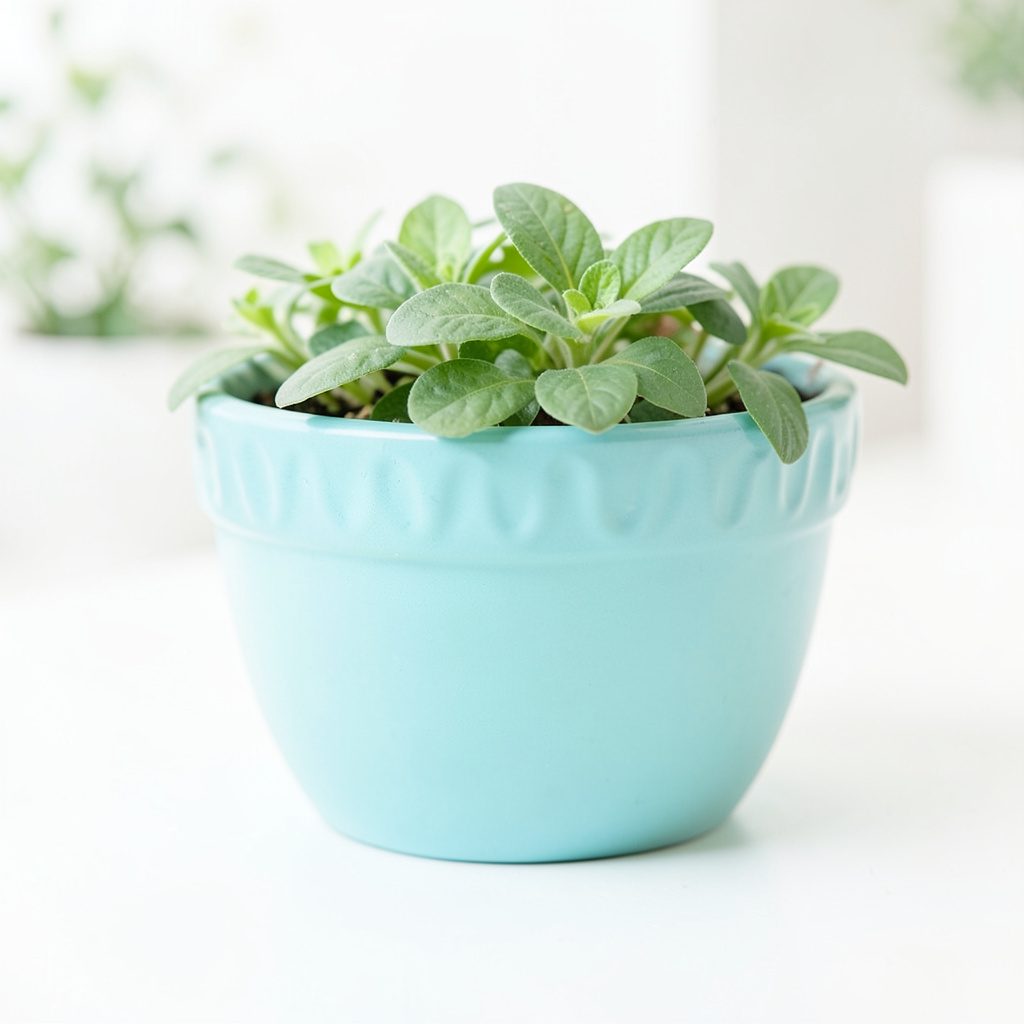
Garden Treasures focuses on affordable ceramic, terracotta, and lightweight composite options. Their range covers everything from small herb pots to large statement urns for the garden.
Concrete & Metal
For a heavier, more permanent look, Lowe's stocks rectangular and round concrete planters alongside galvanized and powder-coated metal troughs. These suit modern and industrial outdoor spaces.
Self-Watering & Topsy Turvy
Self-watering planters with built-in reservoirs help reduce daily maintenance. The Topsy Turvy hanging planter — designed for tomatoes and trailing plants — is another popular option carried by the retailer.
"From sleek concrete to playful hanging designs, Lowe's planters cover a wide spectrum of tastes and budgets."
Indoor & Outdoor Picks
| Style | Material | Best For |
|---|---|---|
| Allen Roth Resin | Composite | Patios & entryways |
| Garden Treasures Urn | Ceramic | Garden focal points |
| Concrete Trough | Concrete | Modern landscapes |
| Galvanized Metal | Steel | Industrial & farmhouse |
| Topsy Turvy | Fabric/Plastic | Tomatoes & trailing plants |
Availability varies by location and season, so checking the Lowe's website or visiting a local store is the best way to see current stock.
Choosing the right planter begins with understanding where it will live and how much attention it can expect. Concrete and metal options bring a sturdy, architectural presence that suits patios and entryways, while lighter resin and composite designs make it easier to rearrange a deck or porch as the seasons shift. Self-watering styles offer a practical middle ground for anyone who travels or simply forgets to check soil moisture. Thinking through light, weight, and drainage before shopping keeps the decision calm rather than overwhelming, and it helps a planter feel like part of the space instead of an afterthought.
The look of a planter shapes a room or garden as much as the plant inside it. Rectangular boxes lend a clean, modern line along a wall or beneath a window, while tall pots draw the eye upward and give narrow corners a sense of height. Concrete finishes read as quiet and grounded, metal brings a crisp industrial edge, and neutral resin tones blend easily with wood, stone, and painted trim. Grouping a few pieces in related materials and contrasting shapes often feels more considered than scattering many mismatched pots, and it lets the plants remain the focus.
Practical details deserve as much attention as appearance. Drainage holes protect roots from sitting in water, saucers keep indoor surfaces dry, and a self-watering reservoir can steady moisture levels between waterings. Weight matters too, especially on balconies and upper decks, where a large concrete piece may need a lighter companion. Before committing, it helps to measure the intended spot and picture the mature size of the plant, since a pot that looks generous when empty can become crowded quickly. A little planning at this stage saves the hassle of repotting sooner than expected.
Seasonal shifts change how planters are used and how they should be cared for. In colder months, some containers benefit from being emptied, covered, or moved into shelter, while frost-resistant materials hold up better outdoors. Warmer weather invites a refresh of soil, a check on drainage, and a light cleaning of surfaces that have gathered dust or mineral marks. Rotating pots slightly can even out sun exposure and keep growth balanced. Treating containers as part of an ongoing routine rather than a one-time purchase keeps them looking sharp and extends the life of both the pot and the planting.
The best planter choices tend to come from pairing a clear sense of style with honest practical needs. A homeowner might favor a sleek rectangular box for a modern patio, another may prefer the warmth of wood or the texture of aged concrete near a doorway, and a renter might lean toward lightweight pieces that travel easily. Comparing collections in person, noting finishes and proportions, and imagining how each piece will age outdoors all help narrow the field. When form and function are weighed together, a planter becomes a lasting part of the home rather than a passing trend.